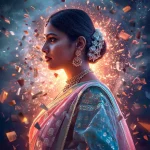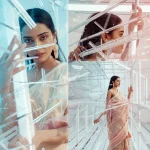


Unlock the secrets of high-fashion AI photography with these sophisticated prompts designed to capture intellectual elegance, bold styles, and cinematic narratives.
Artificial intelligence has revolutionized how we approach digital fashion and portrait photography. By leveraging advanced text-to-image models, creators can now generate hyper-realistic images that blend high-fashion garments with deep, narrative-driven environments. Whether you want to depict a serene moment in a dark academia library or a powerful stance in a futuristic architectural marvel, the right combination of descriptive keywords can bring your creative vision to life with stunning realism.
This guide explores the art of crafting portraits of stylish women with statement eyewear and intellectual charm. We will break down ten unique prompts that feature a diverse range of aesthetics, from ancient historical grandeur to ultra-modern cyberpunk environments. Each prompt is carefully structured to emphasize textures, lighting, and expressions, ensuring that your generated outputs feel expensive, cinematic, and deeply engaging to your audience.
By understanding how to manipulate key prompt variables—such as camera lens effects, lighting styles, and clothing details—you can easily customize these templates to fit your brand or personal aesthetic. Let us dive into the core mechanics of these prompts and discover how you can use them to create breathtaking digital art on platforms like Midjourney, Gemini, Flux, and Leonardo AI.
What Are Stylish Women with Statement Eyewear and Intellectual Charm?
Stylish Women with Statement Eyewear and Intellectual Charm represents a highly sought-after aesthetic in digital art and social media curation. This style moves away from generic, overly stylized portraits and instead focuses on character depth, sophistication, and quiet confidence. It combines high-end fashion elements, such as tailored pastel jumpsuits or elegant kimono-style dresses, with intellectual props and settings like leather-bound books, ancient temple columns, or minimalist reflective architecture.
The term "intellectual charm" refers to the subject's expression and posture. Instead of passive poses, these prompts call for confident smiles, direct and unwavering gazes, and thoughtful, pensive expressions. The addition of statement eyewear—whether it is sleek, futuristic tech-wear visors or classic vintage frames—serves as a visual anchor that enhances the character's smart, analytical, and authoritative persona, making the final image feel both modern and intellectually grounded.
Why Stylish Women with Statement Eyewear and Intellectual Charm Is Trending
The rise of "Dark Academia," "Cyberpunk Tech-wear," and "Quiet Luxury" aesthetics has fueled a massive demand for portraits that convey intelligence and sophistication. Audiences are increasingly drawn to images that tell a story rather than just showing a beautiful face. A stylish woman wearing statement eyewear in a sunlit urban space or a dim library immediately suggests a narrative: she could be an architect, a digital hacker, a scholar, or an influential creative director.
Furthermore, social media platforms like Instagram and Pinterest have seen a shift toward curated, moody feeds that emphasize high-quality textures and cinematic lighting. Creators use these specific prompts to establish an aspirational brand identity that stands out from standard mobile photography. The blend of pastel color palettes, intricate historical details, and sharp, modern architectural backdrops creates a visually striking contrast that captures attention and drives engagement.
Popular Styles You Can Create
With this collection of prompts, you can explore several distinct sub-genres of portraiture. For a classical, moody look, the Dark Academia Library style utilizes warm, dim lighting, wooden desks, and vintage-inspired attire to create a sense of mystery and scholarly elegance. If you prefer a more modern, high-energy aesthetic, the Urban Confident Smile style places your subject by a large, sunlit window overlooking a bustling city, highlighting natural skin textures and casual, stylish outfits.
For those interested in speculative design, the Cyberpunk Hacker and Futuristic Architecture styles offer sleek, metallic, and neon-drenched options. These prompts incorporate holographic tattoos, tech-wear garments, and reflective surfaces to create sculptural, cutting-edge compositions. Finally, historical and cultural fusion styles—such as the Ancient Egyptian Queen Coronation or the contemporary Pastel Kimono Dress in an urban garden—allow you to explore rich, decorative garments and regal postures that exude power and artistic grace.
How to Use Stylish Women with Statement Eyewear and Intellectual Charm
Using these prompts effectively requires an understanding of how text-to-image generators interpret descriptive language. To get the best results, you should copy the core prompt structure and then tweak specific variables like the color of the clothing, the type of eyewear, or the lighting conditions to match your specific needs. This allows you to maintain a consistent character or theme across multiple generated images.
When inputting these prompts into tools like Midjourney, Gemini, Flux, or Leonardo AI, make sure to preserve the technical camera settings included in the text, such as "85mm lens effect," "shallow depth of field," and "cinematic lighting." These phrases instruct the AI to mimic professional photography gear, resulting in softer backgrounds, sharper facial features, and more realistic skin textures that avoid the plastic, artificial look common in lower-quality AI renders.
- Select your preferred AI image generation platform (e.g., Midjourney, Flux, or Leonardo AI).
- Copy one of the detailed prompts from our curated list.
- Customize the clothing color (e.g., change "pastel mint green" to "deep emerald green").
- Add specific eyewear details if desired (e.g., "wearing round gold wire-frame glasses").
- Set your aspect ratio parameters (e.g., --ar 9:16 for Instagram Reels or --ar 4:5 for feed posts).
- Generate the initial grid of images and select the one with the most realistic facial structure.
- Upscale the selected image to enhance the fine textures of the fabric, skin, and reflective surfaces.
What Kind of Base Photo Works Best?
If you are using an image-to-image workflow to place your own face or a specific model's face into these stylish scenarios, choosing the right base photo is critical. The base photo should have clear, direct lighting that matches the target prompt. For instance, if you are generating the Sunlit Window scene, your base photo should ideally be taken in natural daylight rather than under harsh fluorescent office lights.
Additionally, the model's expression in the base photo should align with the desired mood. A neutral, confident, or slightly smiling expression works best for intellectual and high-fashion aesthetics. Avoid photos with extreme angles, heavy filters, or busy backgrounds, as these can confuse the AI's facial mapping algorithms, leading to distorted features or unnatural skin textures in the final generated portrait.
Which AI Tools Deliver the Best Results?
Different AI image generators have unique strengths when it comes to rendering fashion, human skin, and complex backgrounds. Choosing the right tool depends on your technical expertise and the specific style you want to achieve. Below is a comparison of how the leading platforms handle these sophisticated prompts.
| AI Tool | Best For | Key Strength |
|---|---|---|
| Midjourney | Cinematic Fashion & Textures | Unmatched rendering of fabrics like silk, wool, and gold headdresses. |
| Flux | Text Rendering & Realism | Excellent hand anatomy and highly realistic skin textures without plastic sheen. | Custom Fine-Tuning | Great control over style models and easy-to-use image-to-image features. |
| Gemini / ChatGPT | Quick Conceptualization | Rapid prototyping and understanding complex descriptive English prompts. |
Pro Tips
To elevate your AI-generated portraits from good to spectacular, pay close attention to the small details. Adding specific descriptors for materials can dramatically change how the AI renders light. For example, using words like "luminous pearls," "translucent whispering silk," or "reflective metallic surfaces" forces the generator to calculate complex light bounces, giving your images a highly polished, expensive look that mimics high-budget studio photography.
Another powerful technique is the use of collage prompts. Creating a "cinematic collage" featuring a close-up portrait, a mid-body shot, and a full-body stance allows you to showcase different facets of the character's style and environment in a single cohesive image. This is particularly useful for creating engaging social media content, such as Instagram highlight covers or Pinterest mood boards, where visual variety is key to maintaining viewer interest.
- Celestial Pearl Cloud: Elegant flowing white gown, swirling cloud of luminous pearls, subtle luxurious shimmer.
- Whispering Silk: Translucent flowing silk shroud, simple elegant gown, mystical lighting, surrounding mist.
- Dark Academia: Seated at a wooden desk, leather-bound book, vintage-inspired elegant attire, blurred wall of books.
- Pastel Kimono Dress: Pastel blue kimono-style dress, structured obi belt, contemporary urban garden, sleek high ponytail.
- Pastel Formal Jumpsuit: Tailored pastel mint green formal jumpsuit, dramatic wide leg, sophisticated event space, hands in pockets.
- Egyptian Queen Coronation: Intricate gold and lapis lazuli headdress, flowing robes, towering temple columns, divine light.
Common Issues and Quick Fixes
When generating portraits with complex elements like eyewear, books, or architectural lines, you may occasionally run into rendering errors. AI models sometimes struggle to align glasses perfectly with the subject's ears and eyes, or they may distort the straight lines of a bookshelf or metallic structure. Understanding how to troubleshoot these common issues will save you time and help you achieve flawless results.
| Common Issue | Root Cause | Quick Fix |
|---|---|---|
| Distorted Eyewear Frames | AI struggling with symmetrical geometric shapes on faces. | Use inpainting to select the glasses and re-prompt with "perfectly symmetrical wire-frame glasses". |
| Muddled Fabric Textures | Prompt is too cluttered with conflicting environmental details. | Simplify the prompt background and increase the weight of fabric keywords like "flowing silk" or "tailored linen". |
| Deformed Hands or Fingers | Complex hand poses (e.g., holding a book or placing hands in pockets). | Re-generate using negative prompts like "deformed hands, extra fingers" or use a dedicated hand-fix tool. |
Frequently Asked Questions
How do I add realistic glasses to these prompts?
Simply append descriptive phrases like 'wearing thick-rimmed tortoiseshell statement glasses' or 'sleek wire-frame spectacles' to the prompt text before pasting it into your preferred AI generator.
Can I use these prompts for commercial fashion design?
Yes, these prompts generate highly detailed garments, from pastel kimono-style dresses to tailored formal jumpsuits, making them ideal for mood boards and fashion concept development.
Which AI tool handles the complex details like the Egyptian Queen headdress best?
Midjourney and Flux excel at rendering intricate textures like gold, lapis lazuli, and complex embroidery, while Leonardo AI is excellent for maintaining a cinematic, high-fashion photographic look.
Conclusion
Creating portraits of stylish women with statement eyewear and intellectual charm is an exceptional way to showcase sophistication, narrative depth, and high-fashion aesthetics in your digital portfolio. By utilizing these meticulously crafted prompts and understanding how to adjust key photographic variables, you can generate stunning, gallery-quality images that resonate with audiences who appreciate style, intelligence, and cinematic storytelling. Start experimenting with these prompts on your favorite AI platform today to elevate your creative output.